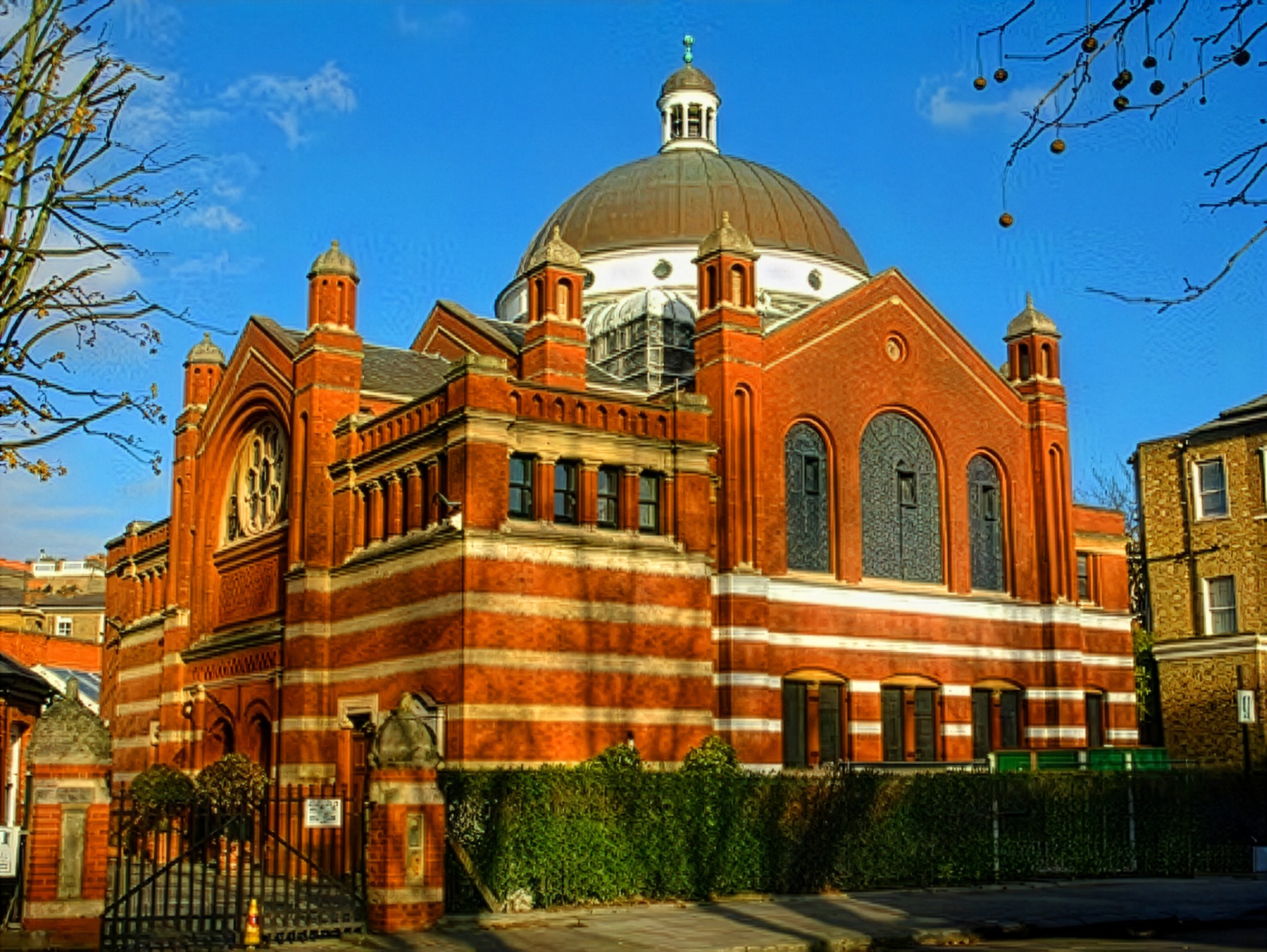
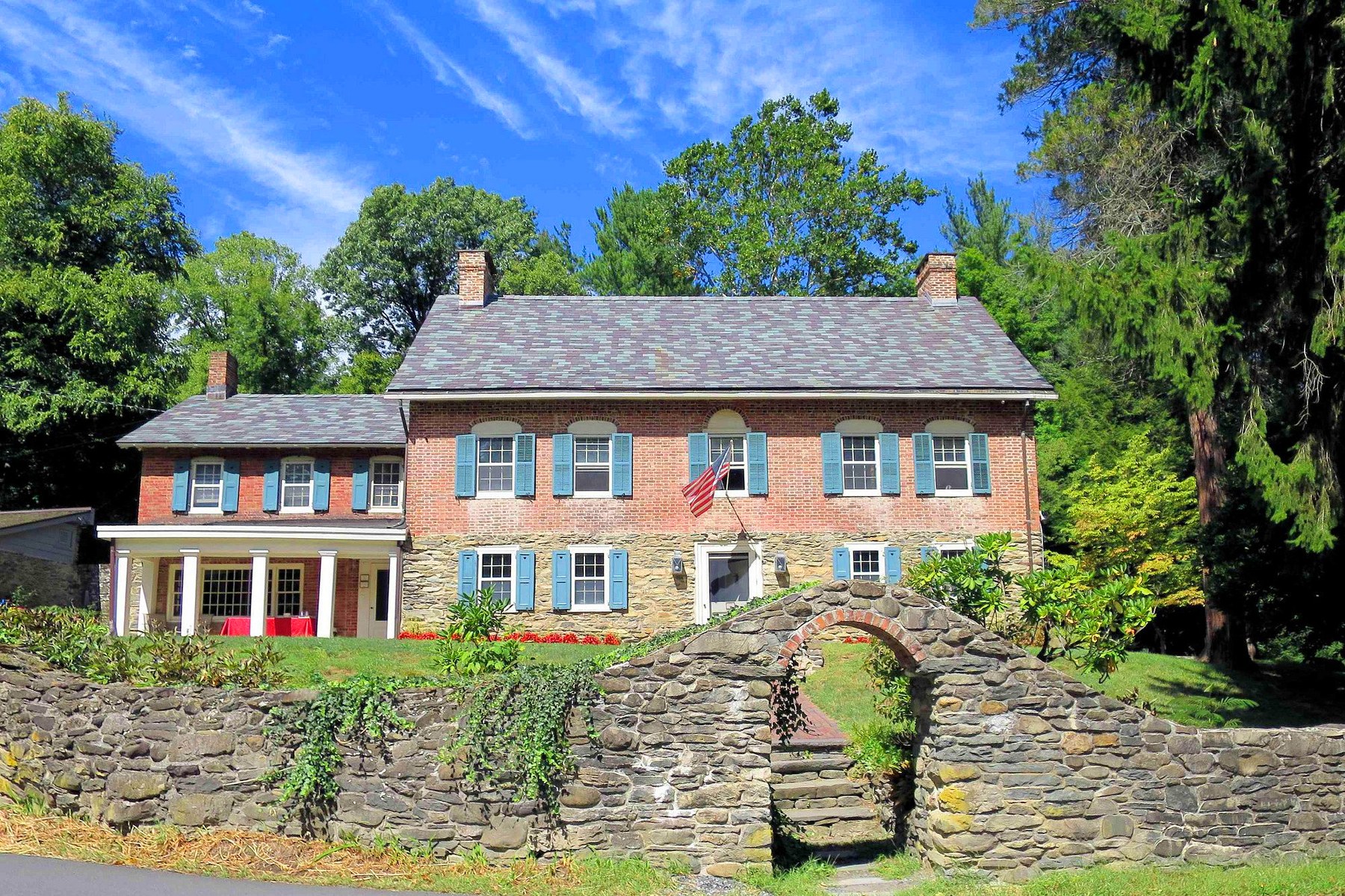
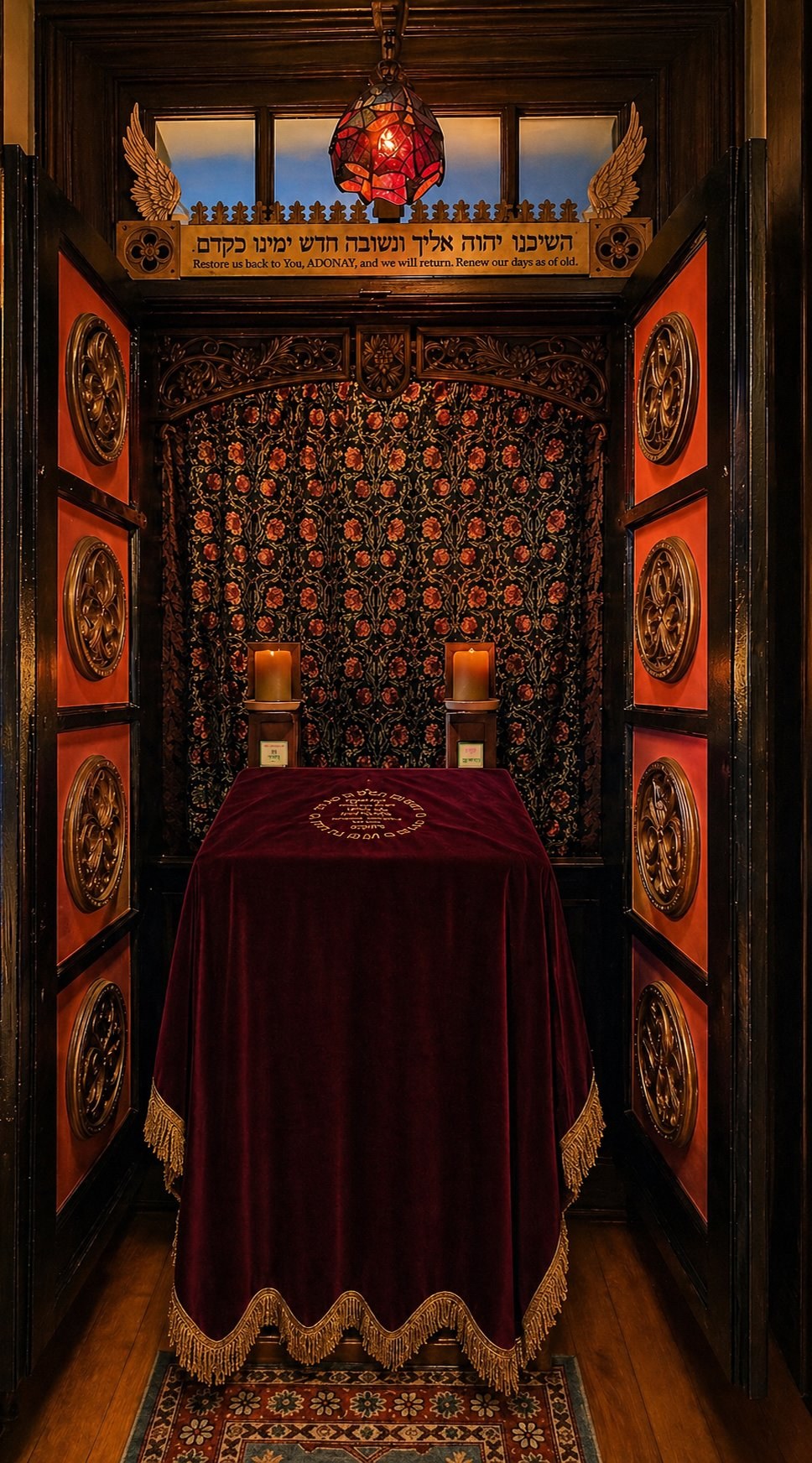
The Gomez Mill House, built around 1714 in Marlborough, New York, is the earliest known surviving Jewish dwelling in North America. Luis Moises Gomez, whose Spanish ancestors had fled the Inquisition through France and England before settling in New York, purchased the surrounding land in 1714, and he and his sons amassed roughly four thousand acres along the Hudson over the following decade. The single-story fieldstone block house — its walls three feet thick, set into the side of a hill alongside what came to be called Jews Creek — served for thirty years as the Gomez family’s trading post in furs, timber, and limestone, supplying building material for the growing City of New York sixty miles downriver.
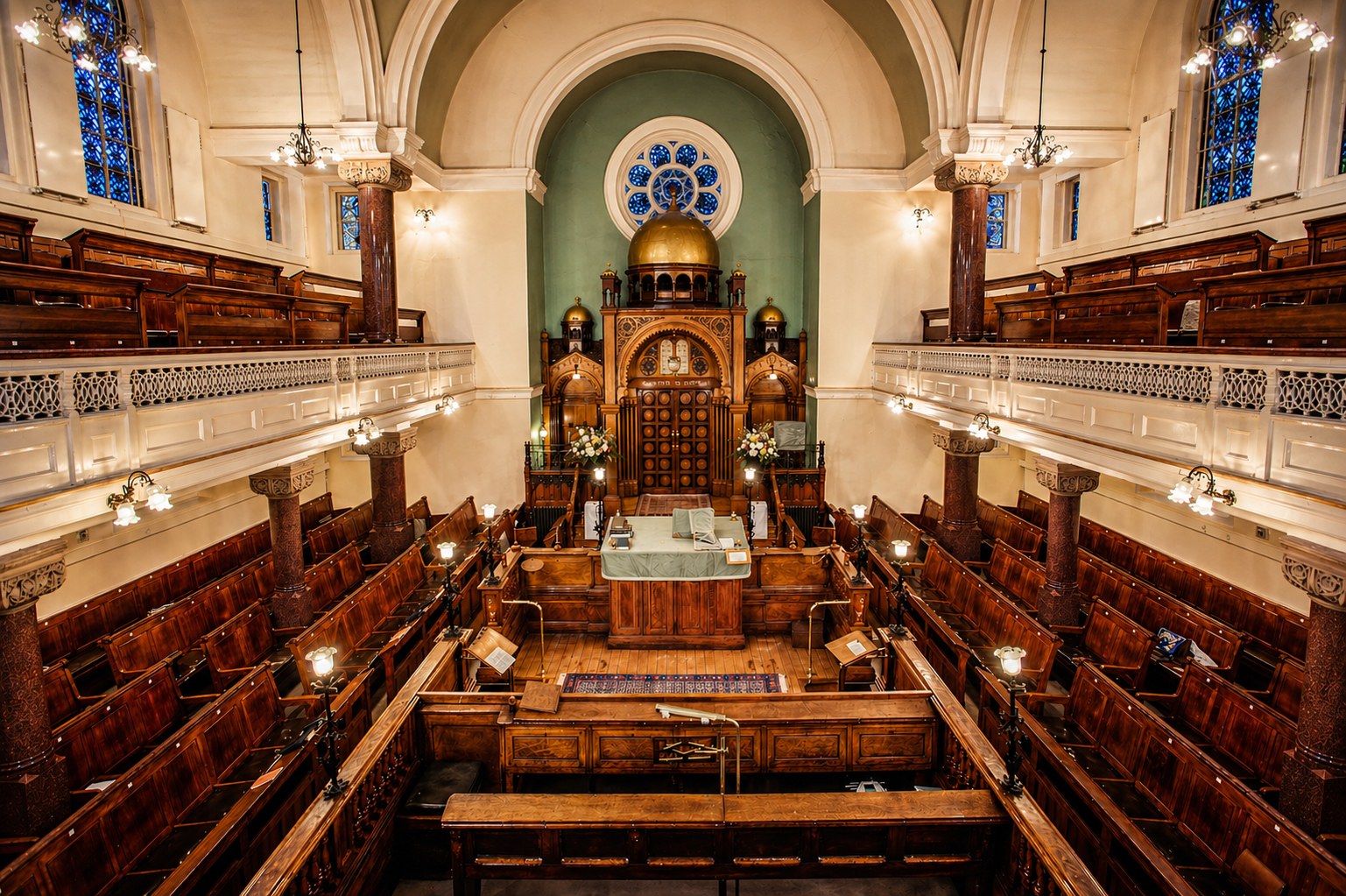
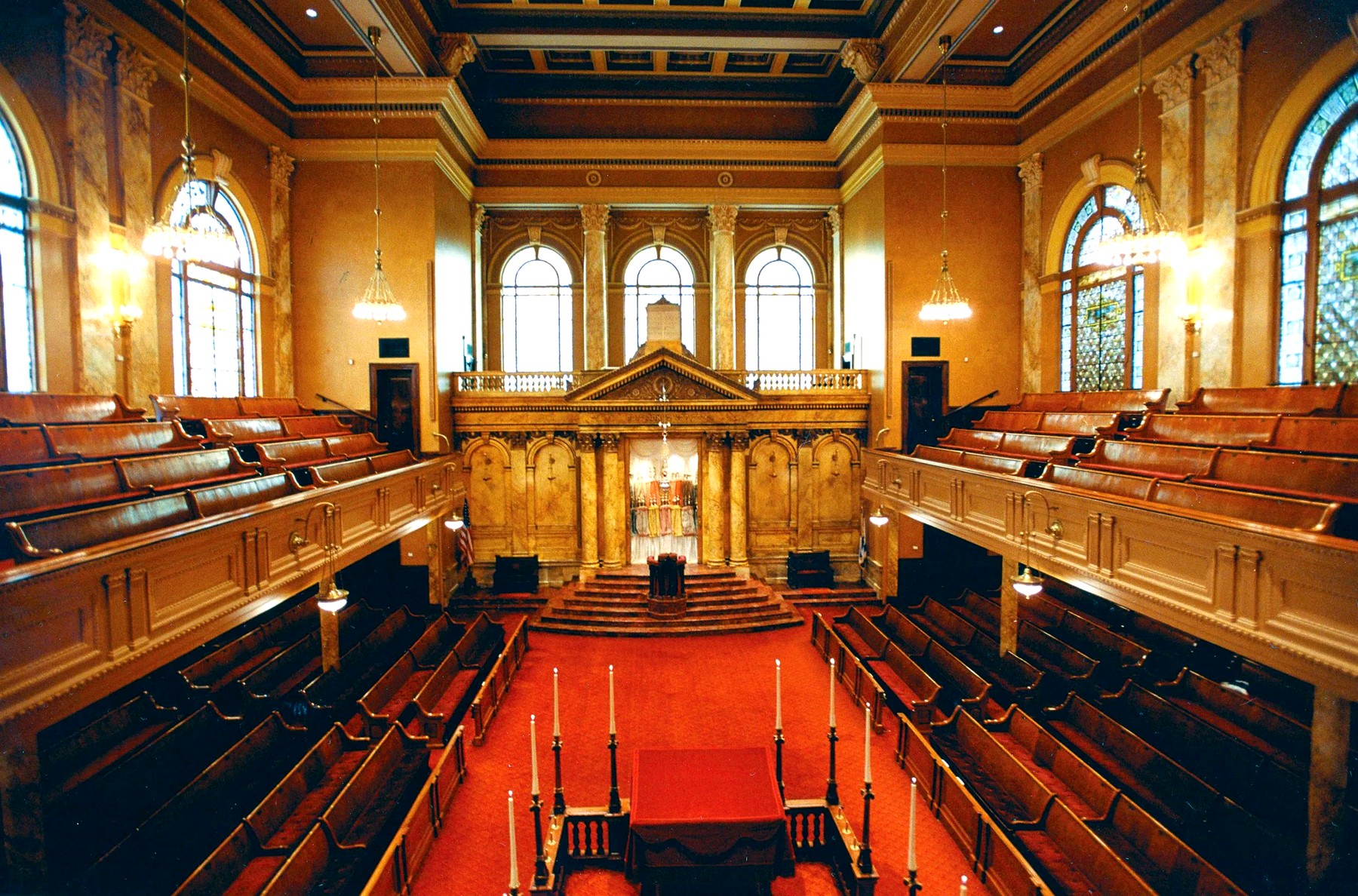
At the same time, Gomez was a proud Jew who sought and received an Act of Denization from the British Crown — its decree, signed by Queen Anne, still hangs on the Mill House wall — allowing him to conduct business, own property, and live freely in the colonies without an oath of allegiance to the Church of England. As Parnas of Shearith Israel, he was one of the principals behind the construction of the Mill Street Synagogue in lower Manhattan. The Mill House survived him, passing through Patriot trader Wolfert Ecker, the Armstrong farming family, and Arts and Crafts paper-maker Dard Hunter, before being rescued in the postwar years and listed in 1973 on the National Register of Historic Places. Today it is operated as a museum by the Gomez Foundation for Mill House.
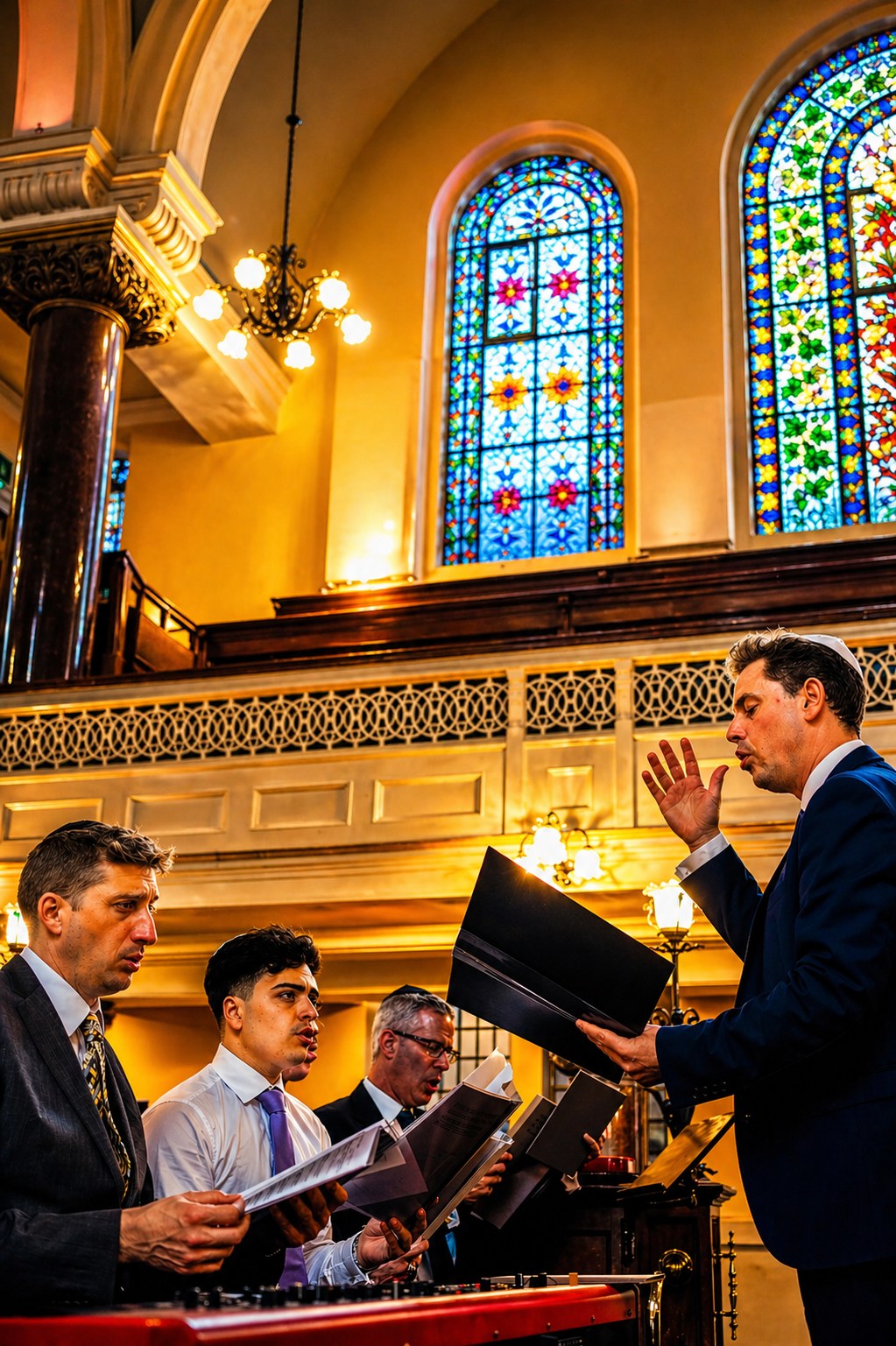
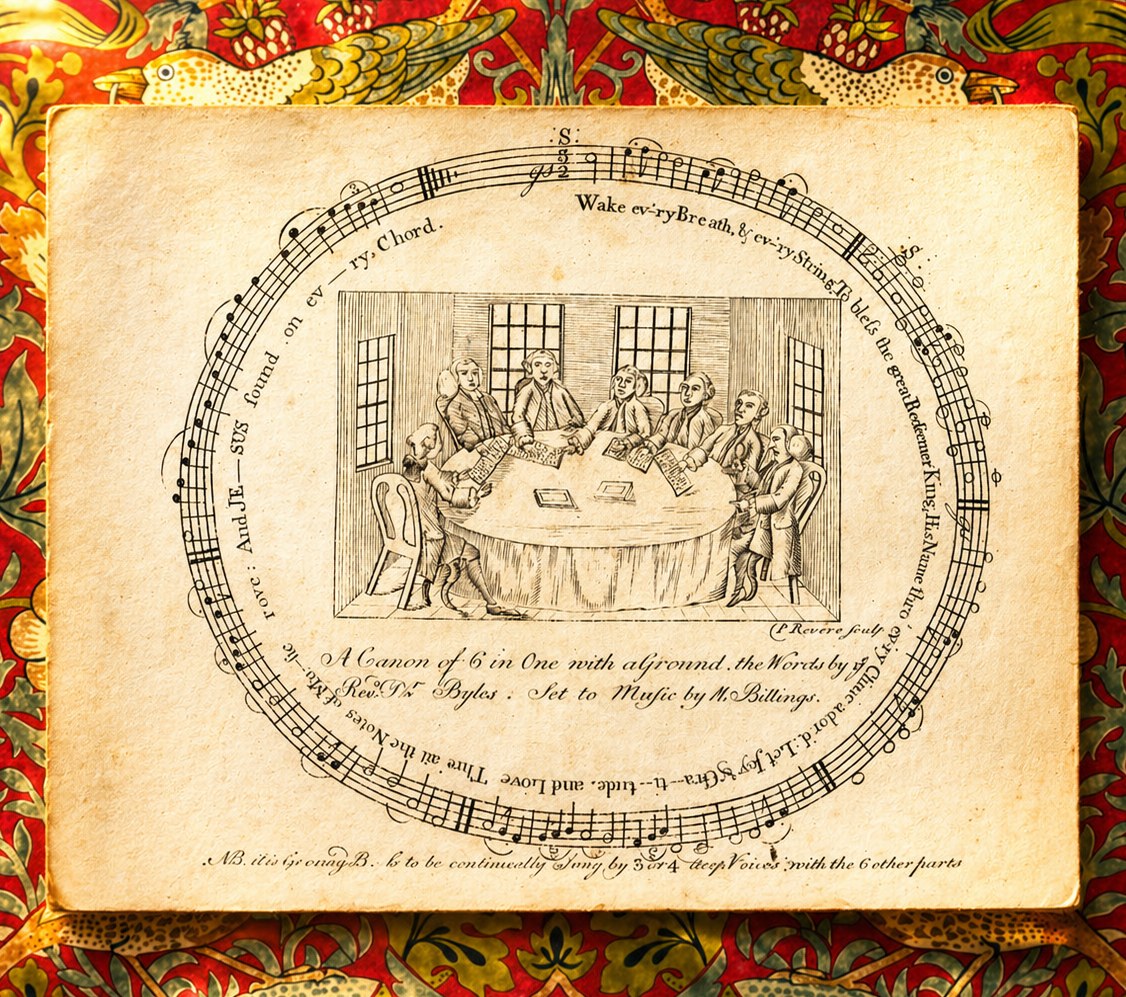
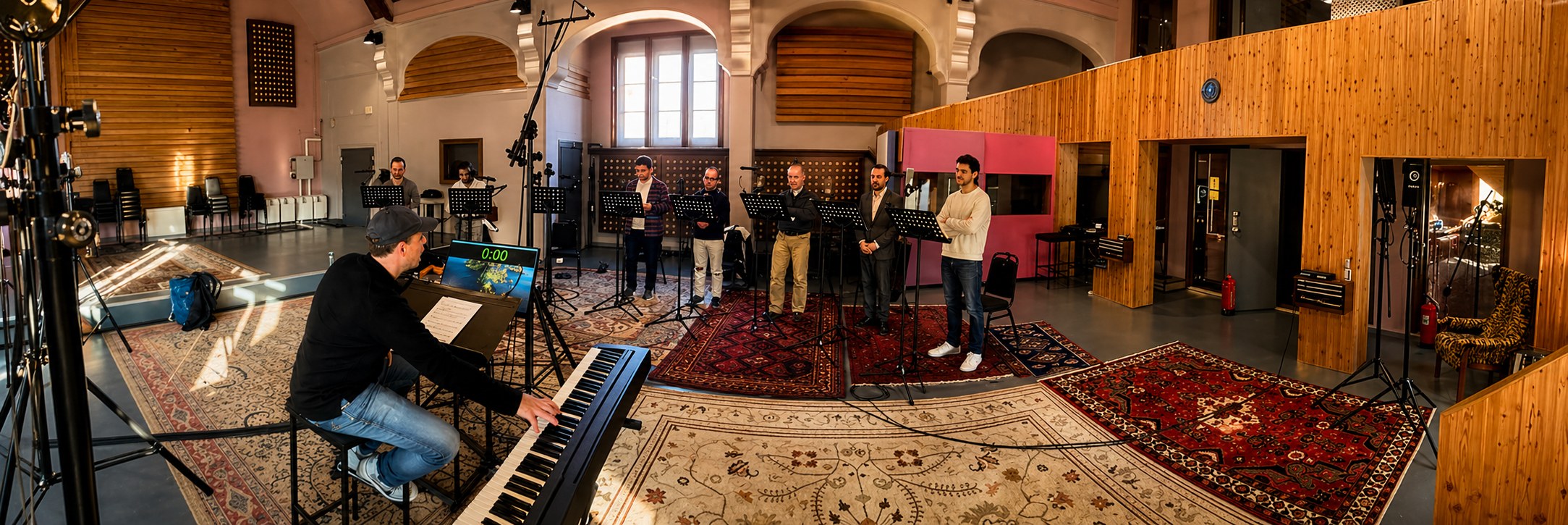
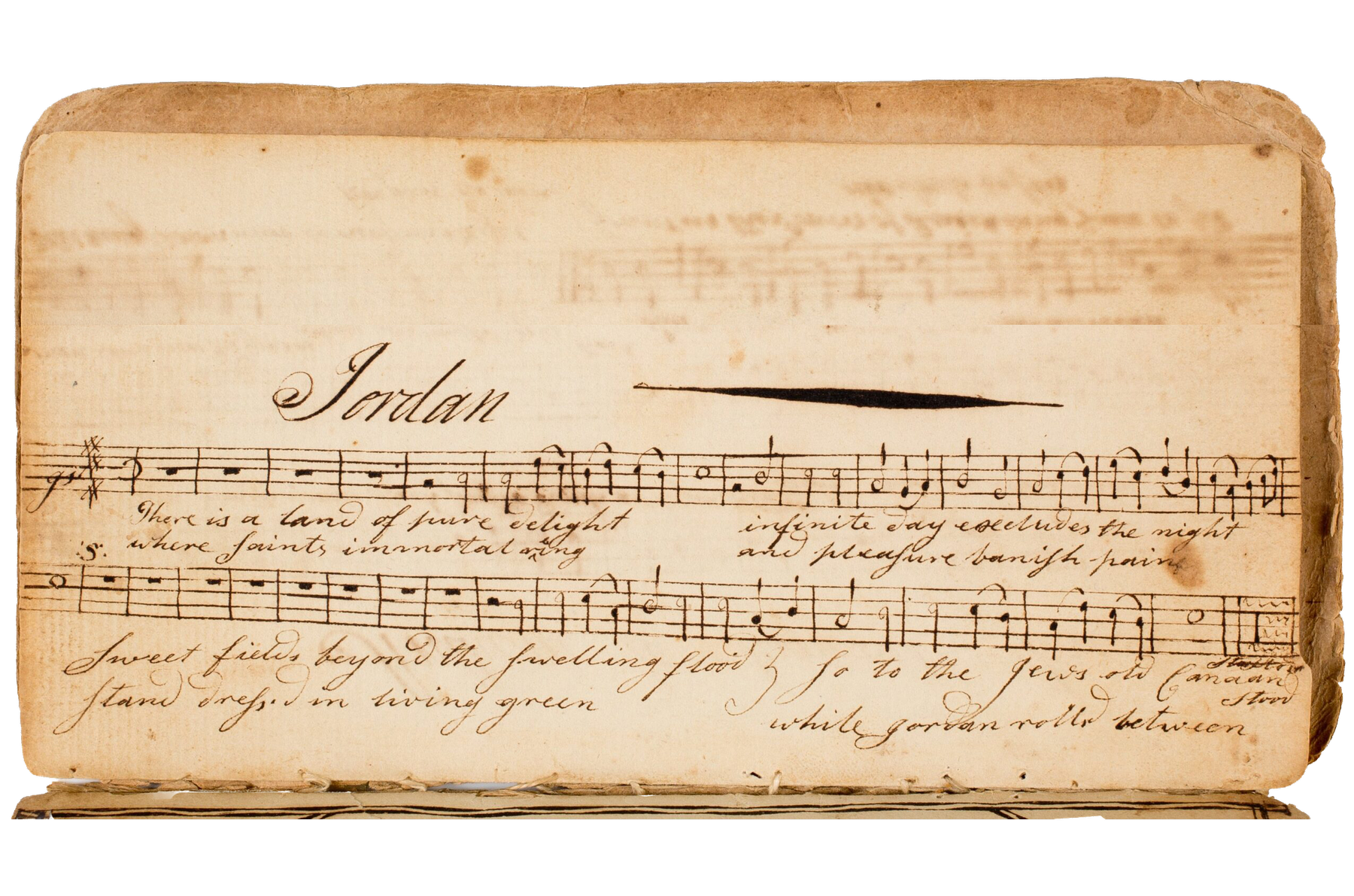
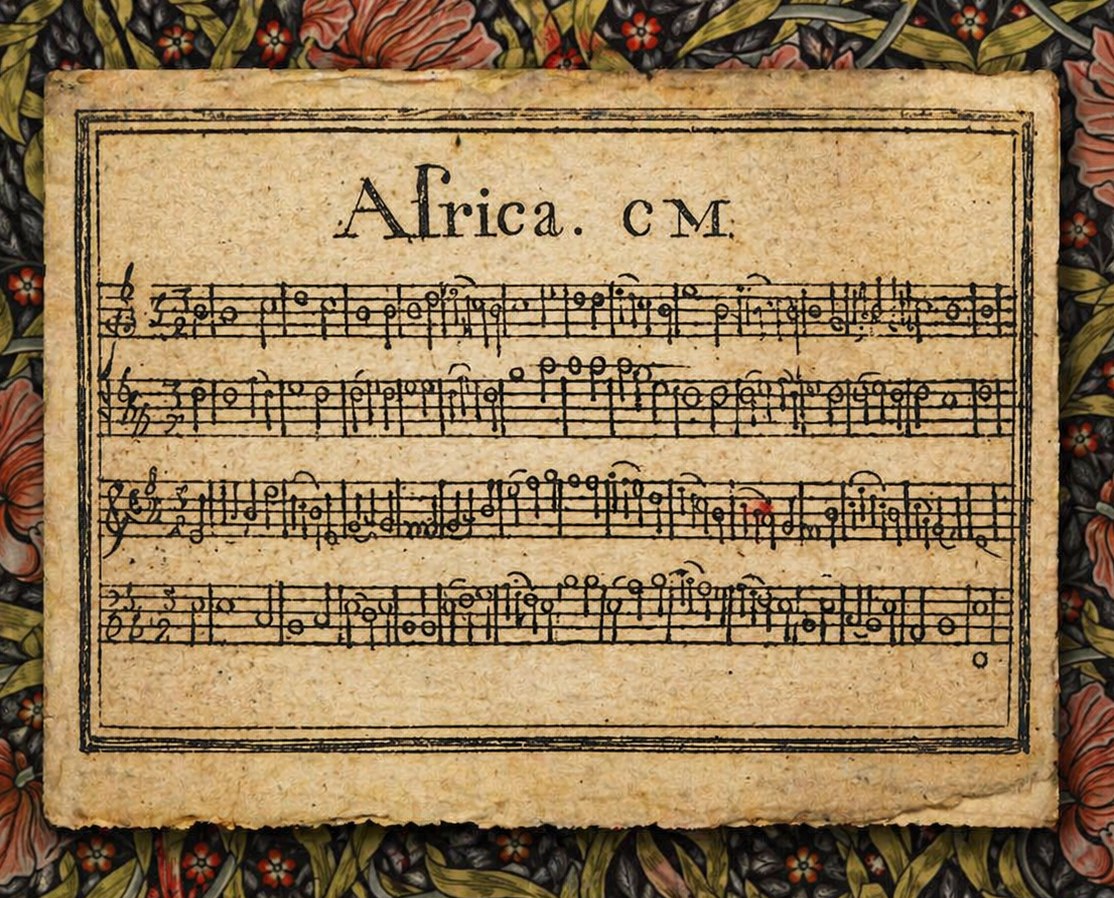
The Mill House Foundation’s interest in this project lies in the possibility of reconstructing, however carefully and conjecturally, part of Gomez’s colonial soundscape. The claim is not that Luis Moises Gomez sang William Billings, nor that Hebrew prayers were historically set to these tunes in his household. The connection is more speculative and more suggestive: Gomez lived at the intersection of Sephardi Jewish memory, Atlantic commerce, British colonial culture, and the emerging musical idioms of early America. Billings’s psalmody belongs to that same colonial world, though from a Protestant and somewhat later register. To set Western Sephardi liturgical texts to Billings tunes is therefore not an act of recovery in the strict archival sense, but an historically informed act of imaginative reconstruction. It asks what Jewish prayer might sound like when voiced through the musical language of the American colonies in which Gomez and his descendants made their lives.
For the Gomez Mill House, this makes the project a way of hearing the site as well as seeing it: not only as stone, timber, creek, trade route, and family history, but as an acoustic meeting place where Sephardi liturgy, colonial Protestant song, Hudson Valley commerce, and the first generations of Jewish life in North America can be brought into meaningful relation.